Top Construction Trends in Malaysia: What to Expect
Embracing Green Construction
One of the most significant trends in Malaysia's construction industry is the growing emphasis on sustainability. As environmental concerns become more pressing, builders are adopting eco-friendly practices to reduce their carbon footprint. This includes the use of green materials, energy-efficient designs, and sustainable building techniques.
Construction companies are increasingly seeking green certifications such as the Green Building Index (GBI), which not only helps in conserving resources but also enhances the marketability of buildings. The push for sustainability is expected to continue, with more projects integrating renewable energy solutions and water conservation systems.

Technological Integration
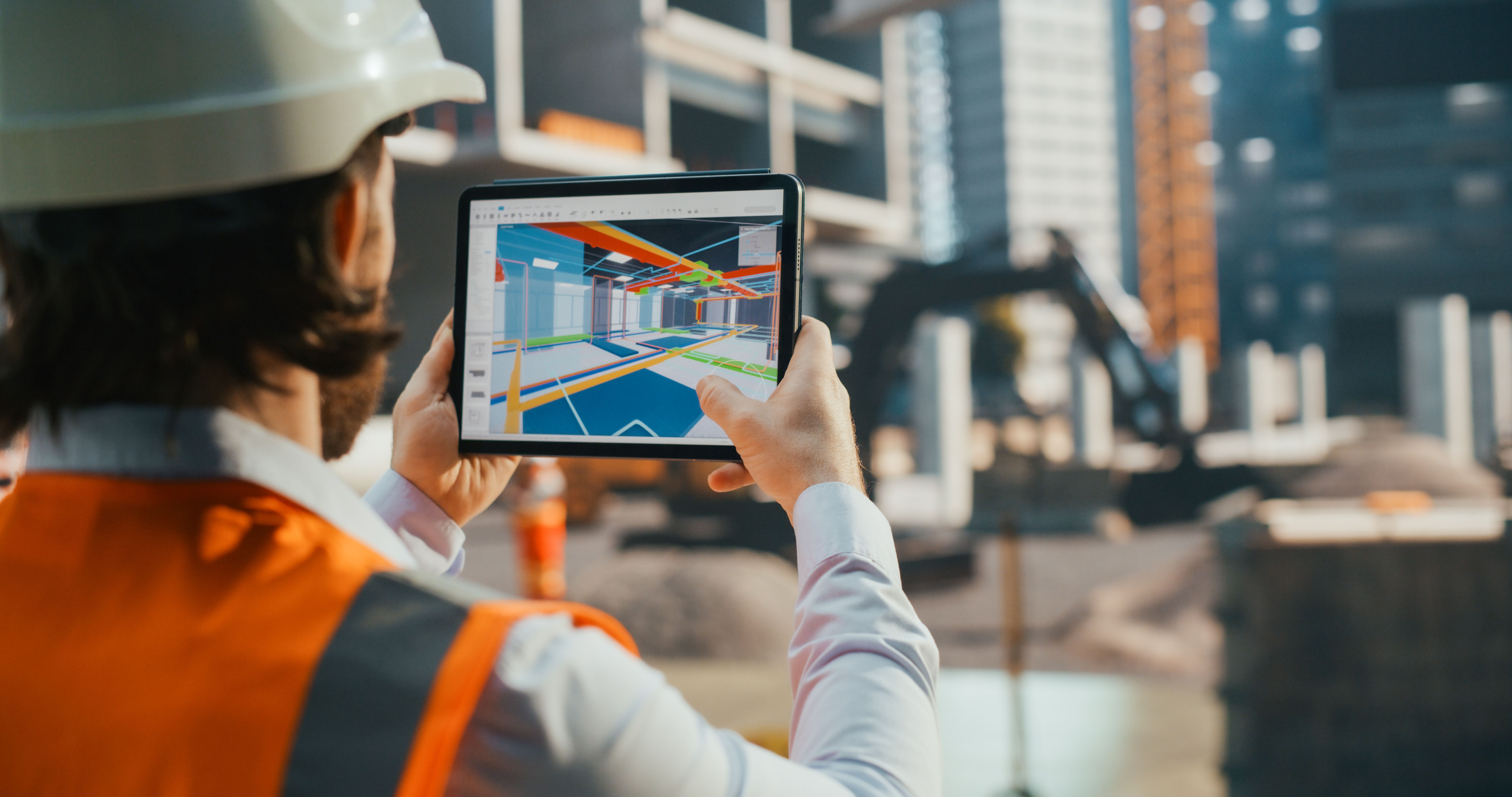
Technology is transforming the construction landscape in Malaysia, with innovations such as Building Information Modeling (BIM) leading the way. BIM allows for more efficient planning and execution of projects by providing a comprehensive digital representation of a building's physical and functional characteristics.
Additionally, the use of drones and 3D printing is becoming more prevalent. Drones are being used for site surveys and progress monitoring, while 3D printing is starting to make its mark in producing building components quickly and cost-effectively.
Rise of Modular Construction
Modular construction is gaining traction in Malaysia due to its efficiency and cost-effectiveness. This method involves prefabricating building sections in a factory setting and then assembling them on-site. It significantly reduces construction time and minimizes waste.
As demand for quicker project completion grows, modular construction is expected to play a key role, particularly in urban areas where space is limited. The adaptability of this approach makes it suitable for a variety of projects, from residential to commercial buildings.

Smart Buildings and IoT
Smart buildings equipped with Internet of Things (IoT) technology are becoming increasingly popular. These buildings offer enhanced efficiency, comfort, and security by using smart systems that control lighting, temperature, and security features remotely.
The adoption of IoT in construction is not just about improving functionality but also about collecting data to optimize building performance over time. This trend is likely to expand as technology becomes more accessible and affordable.

Urbanization and Infrastructure Development
Urbanization continues to drive construction trends in Malaysia, with significant investments in infrastructure development. Projects such as new highways, public transport systems, and urban regeneration initiatives are underway to accommodate the growing urban population.
The government's focus on enhancing connectivity and improving urban infrastructure is expected to stimulate the construction sector further, creating opportunities for both local and international investors.
Focus on Safety and Regulations
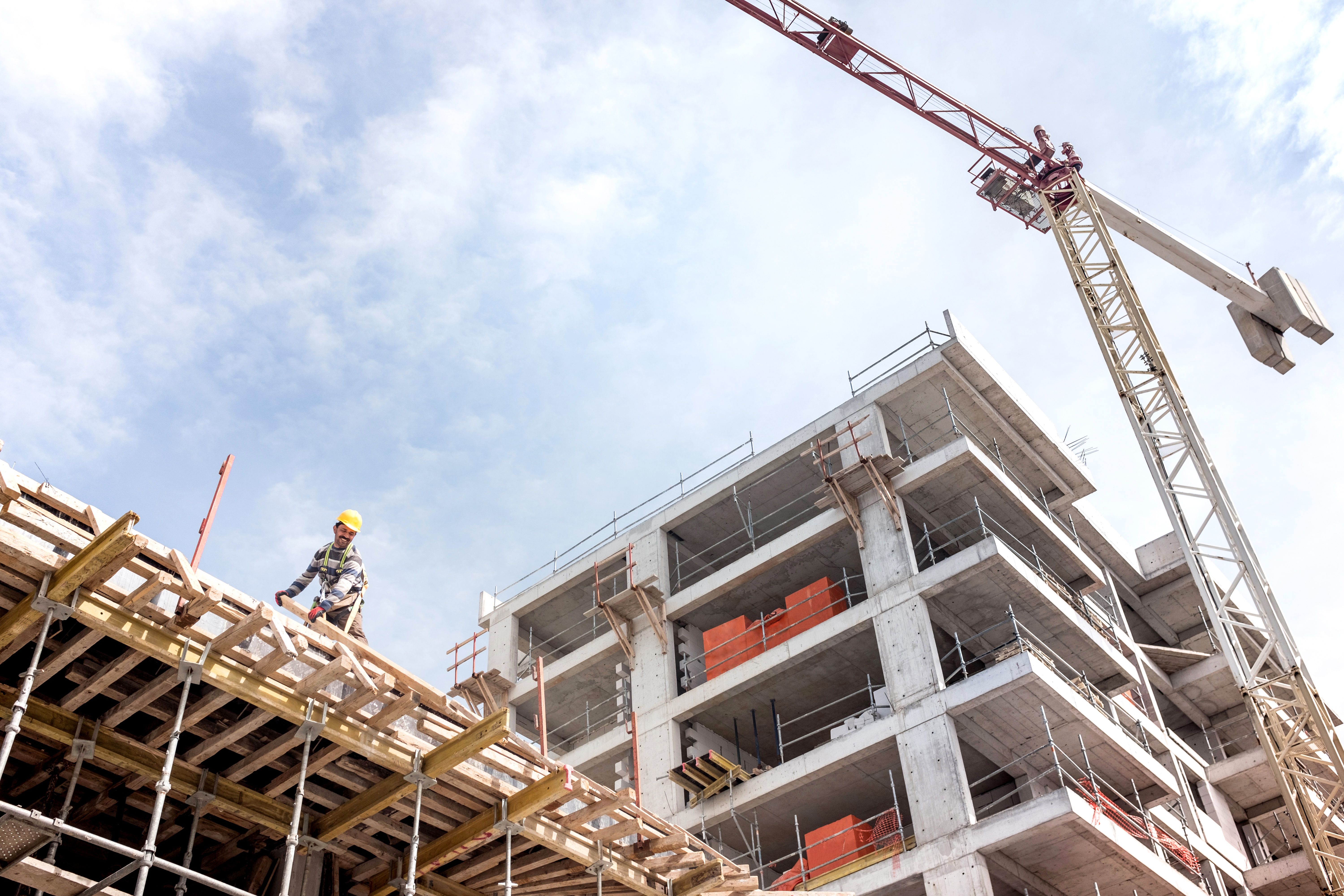
With the construction industry booming, there is a stronger emphasis on safety and regulatory compliance. Ensuring worker safety and adhering to building codes are top priorities for developers and contractors. This focus not only protects workers but also enhances the reputation of construction firms.
As regulations become more stringent, companies are investing in training and technology to ensure compliance and promote a culture of safety on construction sites.

In conclusion, the construction industry in Malaysia is poised for dynamic growth, driven by sustainability, technological advancements, and urbanization. By staying abreast of these trends, stakeholders can capitalize on opportunities and navigate challenges effectively.